

 Español
 Francés
 Português
 Italiano
 Türk
Türk
 العربية
 Русский
 한국어
한국어
 日本語
日本語

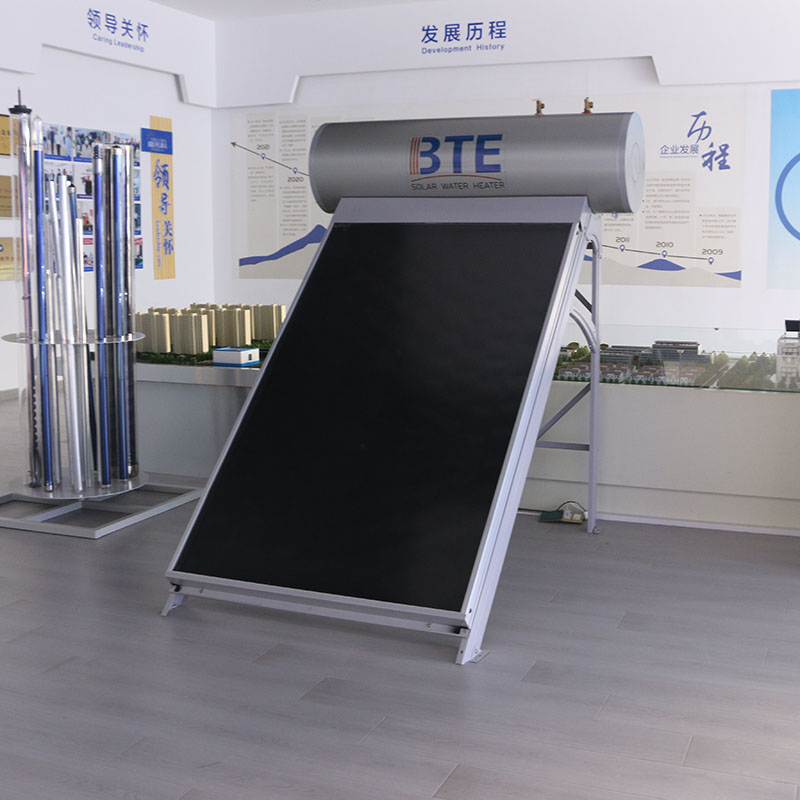
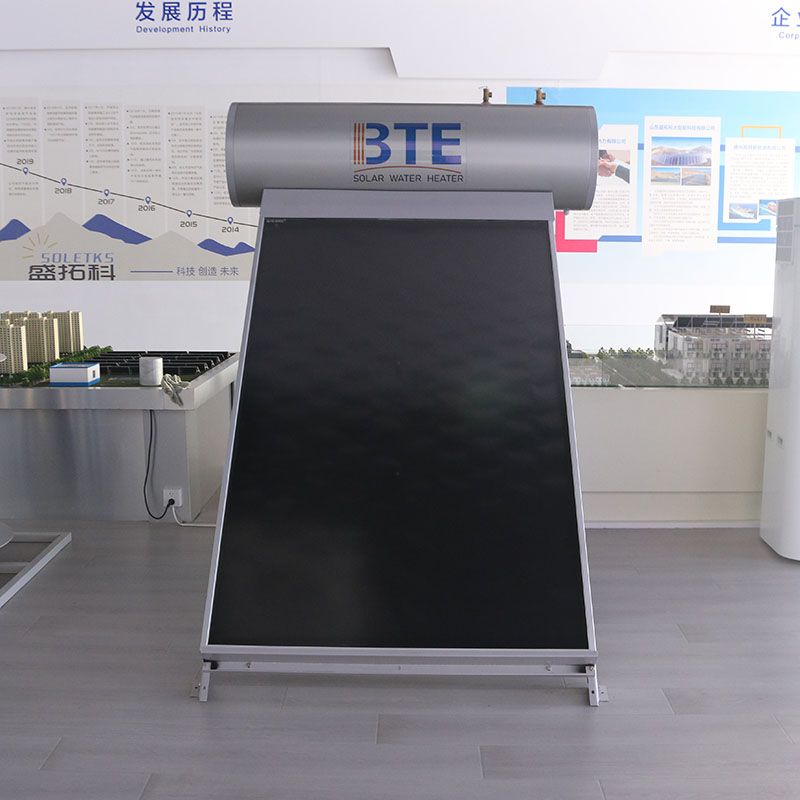
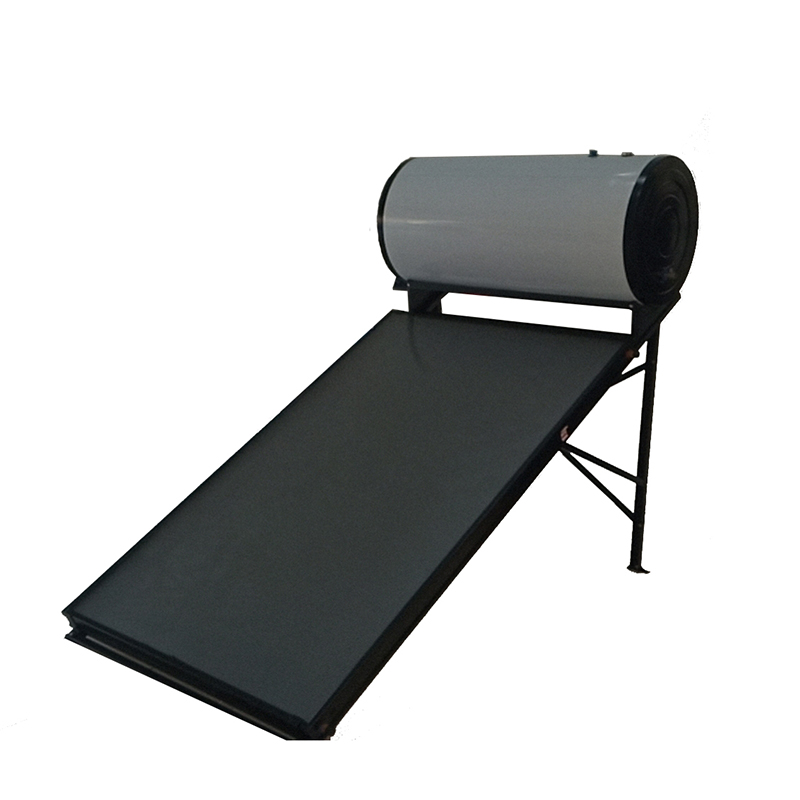
Solar Hot Water System Cost
1. Solar Water Heater For 4 Persons is that Simple and efficient, natural circulation, low maintenance cost, less failure points
2. Enamel liner clean water and no pollution
3. Maintenance-free, long life, continuous high efficiency, cost-effective
4. Simple system and reliable operation
5. Enamel 150L, 200L, 300L
Product Introduction:
The 100L Solar Geyser stands as a highly sought - after option among solar water heaters for domestic solar water heating systems. Thanks to its innovative, energy - efficient flat - plate design, it delivers an ample supply of high - quality hot water. The collector is equipped with a selective coating that significantly enhances solar heat absorption, a weather - resistant aluminum frame that offers robust protection against the elements, and interior fiberglass insulation, all of which work in harmony to optimize its operational efficiency.
This flat - panel solar geyser has achieved remarkable popularity both in the Chinese market and internationally. Its appeal lies not only in its performance but also in its practicality. It is highly convenient for transportation and installation, and it boasts an impressively long lifespan of at least 15 years, ensuring long - term reliability and value for users.

Product Parameters:
Engineered for peak performance and durability, our flat panel solar geyser integrates cutting-edge technology with user-centric design.
Collector | BTE2.0-2 | BTE2.5-2 |
Overall area(m2) | 2.0 | 2.5 |
Aperture area | 1.87 | 2.34 |
LxWxH(mm) | 2000x1000x80 | 2000x1250x80 |
Optical performance | 78% | |
Absorber sheet | Al,highly selective coating | |
Frame | Aluminium | |
Enamel Direct Solar Water Heater Tank | |||
Model | BTE-ET-150 | BTE-ET-200 | BTE-ET-300 |
Collector | BTE2.0-2(x1) | BTE2.5-2(x1) | BTE2.0-2(x2) |
Tank(L) | 150 | 200 | 300 |
Dimensions | φ520*1300 | φ580*1310 | φ580*1830 |
Insulation | PU foam 50 mm | ||
Working pressure | 7 bar | ||
Inner tank material | 2.0mm | 2.5mm enamelled | |
Outer tank material | Powder-coated steel | ||
Auxiliary heating | 1.5 KW | 2.0 KW | 2.0 KW |
Corrosion protection | Magnesium anode | ||
Mounting material | 0/25%45°Galvanized sheet | ||


Product production line:
1. Manufacturing Prowess and Rich Heritage
As a 100% in - house manufacturing entity, we bring over two decades of profound expertise in the thermal industry. Our long - standing presence in the market has honed our craftsmanship, enabling us to produce top - tier flat panel solar geysers with unwavering quality and precision.
2. Unmatched R&D Leadership
We stand alone in China as the sole enterprise capable of producing both blue and black coatings. This unique technological feat is a testament to our leading - edge research and development capabilities. Our ability to master these distinct coating technologies not only differentiates us in the market but also allows us to offer customers a wider range of high - performing products tailored to diverse environmental and energy needs.
3. Swift and Reliable Delivery
Time is of the essence, and we understand that better than anyone. With a streamlined production and logistics system, we guarantee delivery of our products within just two weeks. This rapid turnaround time minimizes your waiting period, ensuring you can enjoy the benefits of our solar geysers without delay.

Accessories:
Our flat panel solar geyser, Solar water heaters, providing one-stop service and all accessories, designed for seamless integration and extended functionality.

Application Scenario&Project Cases:
Globally Recognized Quality: Our flat panel solar geyser has undergone rigorous testing and has been certified to meet prestigious global energy standards, including ISO and SOLAR Keymark. These certifications are a testament to its superior performance, reliability, and adherence to the highest industry benchmarks.
Ideal for Construction Sites: In addition to traditional applications, our solar geyser serves as an excellent solution for providing temporary hot water supply at construction sites. It ensures that worker facilities have access to comfortable hot water, enhancing the overall working conditions and productivity on - site.

Honors and Qualifications:
Our flat panel solar geyser meets the highest global standards for safety, efficiency, and environmental sustainability. Rest assured, every unit is rigorously tested and certified for your peace of mind.


