

 Español
 Francés
 Português
 Italiano
 Türk
Türk
 العربية
 Русский
 한국어
한국어
 日本語
日本語


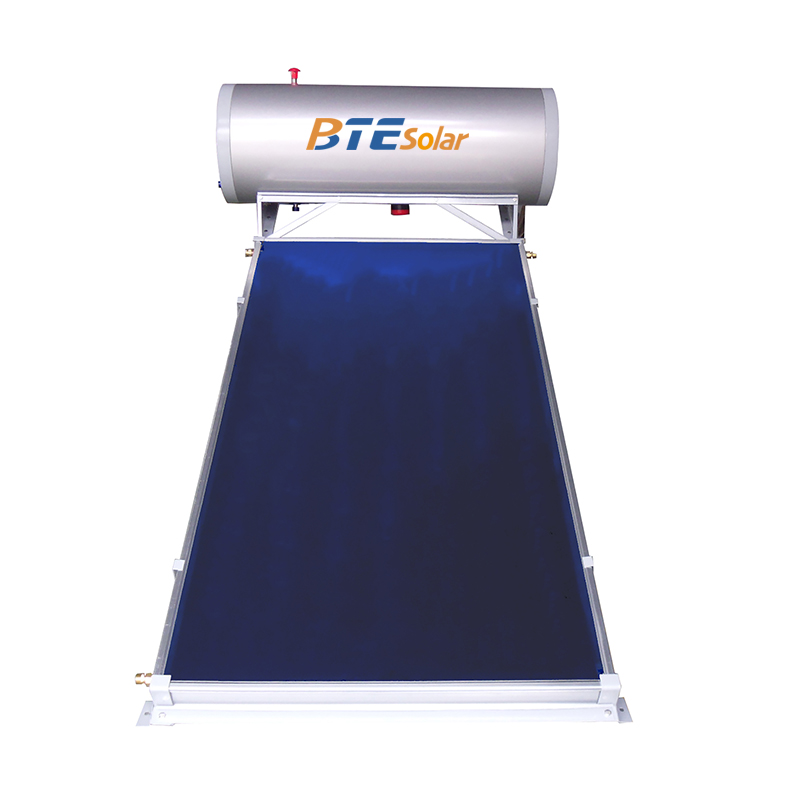

Water Solar Heater
The global adoption of Water Solar Heater systems has accelerated as governments and industries increasingly prioritize renewable energy solutions and carbon reduction initiatives. Rising energy costs, environmental regulations, and urbanization have made solar-based water heating systems a cost-effective and sustainable choice for households, hotels, hospitals, and industrial facilities.
According to recent market reports, the global solar thermal market has surpassed USD 20 billion annually, with Water Solar Heater products representing a major growth segment. High demand is noted in Europe, Southeast Asia, the Middle East, and Latin America, where both residential and commercial infrastructure investments favor energy-efficient solutions.
Global Market Overview for Water Solar Heater
The global adoption of Water Solar Heater systems has accelerated as governments and industries increasingly prioritize renewable energy solutions and carbon reduction initiatives. Rising energy costs, environmental regulations, and urbanization have made solar-based water heating systems a cost-effective and sustainable choice for households, hotels, hospitals, and industrial facilities.
According to recent market reports, the global solar thermal market has surpassed USD 20 billion annually, with Water Solar Heater products representing a major growth segment. High demand is noted in Europe, Southeast Asia, the Middle East, and Latin America, where both residential and commercial infrastructure investments favor energy-efficient solutions.
Emerging Trends and Industry Drivers
Several global trends are influencing the Water Solar Heater market. One notable trend is the transition from traditional low-pressure systems to high-efficiency pressurized systems, which provide stable hot water supply to multi-story buildings.
Integration with smart monitoring and automated control systems is gaining traction. These technologies regulate temperature, flow rate, and circulation, ensuring consistent performance while preventing overheating or freezing.
Hybrid systems combining solar heating with auxiliary electric or gas units are increasingly adopted to maintain performance during periods of low sunlight. Long-tail keywords like “solar water heating system,” “residential solar water heater,” and “industrial solar hot water solution” reflect evolving buyer searches.
Technical Parameters Defining High-Performance Water Solar Heater
International buyers rely on precise technical specifications when evaluating Water Solar Heater products. Key parameters include:
• **Collector Efficiency:** Flat-plate or evacuated tube collectors achieve 70–85% thermal efficiency under standard test conditions.
• **Operating Pressure:** Pressurized systems typically operate at 0.6–1.0 MPa, suitable for multi-story water supply.
• **Tank Capacity and Insulation:** Ranges from 100L to over 5,000L, with polyurethane or glass wool insulation reducing heat loss to 2–3°C per 24 hours.
• **Heat Exchanger Type:** Internal copper coil, dual-coil, or external plate exchangers enhance energy transfer efficiency.
• **Control Systems:** Digital controllers provide automatic regulation, system protection, and optional remote monitoring.
These technical indicators are critical for engineers, contractors, and procurement teams to ensure system reliability and energy efficiency.
Product Structure and Functional Components
A Water Solar Heater system typically consists of four main components:
• **Solar Collector:** Flat-plate or evacuated tube collectors absorb sunlight and convert it into thermal energy.
• **Hot Water Storage Tank:** Insulated tanks maintain temperature stability and accommodate varying demand.
• **Circulation Mechanism:** Thermosiphon or pump-assisted systems move the working fluid between collectors and tanks.
• **Controller and Safety Devices:** Sensors, valves, and regulators ensure optimal and safe operation.
Additional features include corrosion-resistant magnesium rods, pressure relief valves, non-return valves, and high-density insulation to maximize system longevity.
Manufacturing Process and Quality Control
Water Solar Heater manufacturing involves high-precision engineering and stringent quality assurance. Collector tubes are fabricated from borosilicate glass or copper-aluminum absorbers coated with selective layers for maximum solar absorption. Tanks are constructed from stainless steel or coated carbon steel, using automated welding for structural integrity.
Insulation materials undergo density and thermal conductivity tests, while collectors are subjected to high-temperature, humidity, and pressure endurance testing. Controllers and sensors are evaluated for reliability, response accuracy, and resistance to voltage fluctuations. Compliance with ISO, CE, and SRCC standards ensures credibility for international procurement.
Applications Across Residential, Commercial, and Industrial Sectors
Water Solar Heater systems are widely utilized in diverse environments:
• **Residential Buildings:** Daily hot water supply for kitchens and bathrooms.
• **Hotels and Resorts:** High-volume, consistent hot water for guest services.
• **Hospitals:** Sterilization, laundry, and patient care applications requiring reliable supply.
• **Factories and Food Processing Plants:** Preheating, cleaning, and industrial processes.
• **Schools and Sports Facilities:** Shower and accommodation facilities.
Increasing adoption is also observed in government-funded renewable energy programs, eco-friendly resorts, and rural electrification projects.
International Buyer Preferences and Procurement Insights
Buyers globally focus on efficiency, durability, and ease of installation. Key considerations include:
• **Long service life** with corrosion-resistant tanks and durable collectors.
• **Verified efficiency** supported by performance test data.
• **Flexible installation options** such as rooftop or split systems.
• **Comprehensive after-sales support**, including spare parts and technical manuals.
Common challenges include product quality inconsistencies, rapid heat loss due to poor insulation, damage during shipping, and insufficient guidance for system design. Addressing these concerns is essential to ensure successful installation and customer satisfaction.
Future Outlook for Water Solar Heater Industry
With global decarbonization strategies intensifying, Water Solar Heater systems are expected to grow steadily. Advances in selective coating technology, smart monitoring, hybrid systems, and improved insulation materials will enhance efficiency and service life.
We provide international buyers with high-performance Water Solar Heater solutions designed to meet modern energy efficiency standards, sustainable building codes, and operational reliability.
Conclusion: Reliable Solar Heating for Sustainable Water Solutions
Water Solar Heater products have become essential in residential, commercial, and industrial energy planning. Their ability to reduce energy consumption, lower operational costs, and support sustainability makes them a preferred choice worldwide.
We invite buyers to request detailed technical datasheets, system specifications, performance reports, and sample evaluation. Our engineering team provides expert guidance for optimal system selection, installation, and customization.
FAQs
1. What type of collector is most suitable for a Water Solar Heater?
Flat-plate collectors perform well in sunny climates, while evacuated tube collectors are preferred in regions with colder winters and low solar irradiation.
2. Can the system supply hot water during cloudy or rainy conditions?
Yes. Hybrid systems with auxiliary electric or gas heaters ensure continuous hot water supply regardless of weather conditions.
3. What is the typical lifespan of a Water Solar Heater system?
High-quality systems can operate efficiently for 15–25 years with proper maintenance and installation.
4. Are customized systems available for hotels, factories, or multi-story buildings?
Yes. System capacity, collector configuration, and installation options can be customized to meet project-specific requirements.
For quotations, technical datasheets, or sample requests, please contact our engineering team to start the procurement process.


