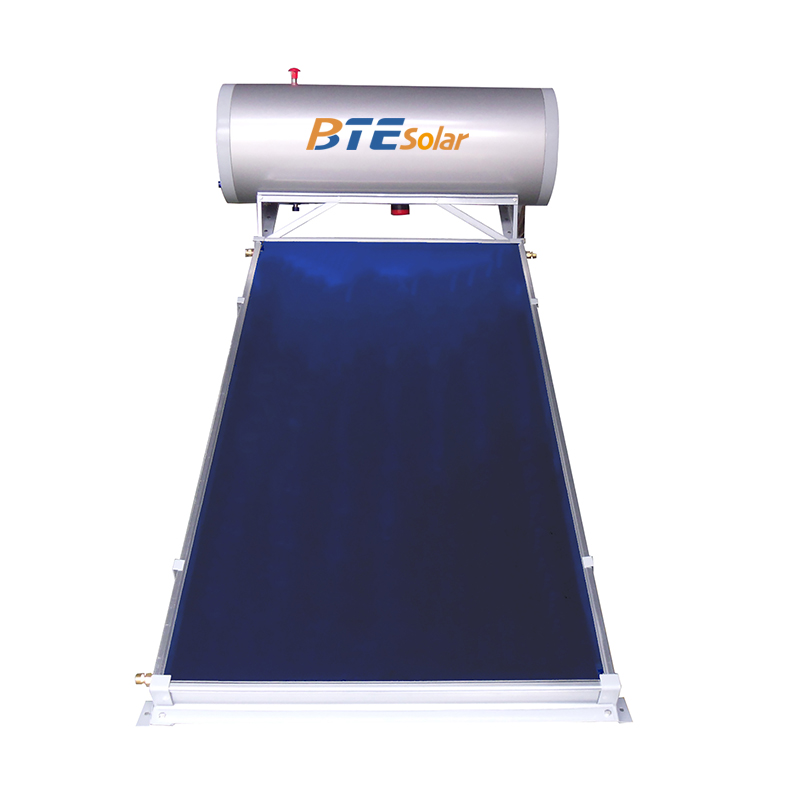
Solar Powered Stock Tank Heater
The global demand for the solar powered stock tank heater has grown steadily as livestock producers seek energy-efficient solutions to prevent water freezing during winter. With rising electricity costs and stricter carbon-reduction policies, agricultural facilities across North America, Northern Europe, and high-altitude regions increasingly rely on renewable systems to ensure continuous water supply for cattle, horses, and other livestock.
According to recent industry data, the market for solar-driven livestock heating equipment has expanded at an annual rate of 7–9% over the past five years. This acceleration is driven by off-grid ranches, sustainable farming programs, and the rapid adoption of low-maintenance heating systems. As more regions experience extreme winter conditions, the solar powered stock tank heater is emerging as a critical infrastructure product within the agricultural equipment supply chain.
Global Market Overview for Solar Powered Stock Tank Heater
The global demand for the solar powered stock tank heater has grown steadily as livestock producers seek energy-efficient solutions to prevent water freezing during winter. With rising electricity costs and stricter carbon-reduction policies, agricultural facilities across North America, Northern Europe, and high-altitude regions increasingly rely on renewable systems to ensure continuous water supply for cattle, horses, and other livestock.
According to recent industry data, the market for solar-driven livestock heating equipment has expanded at an annual rate of 7–9% over the past five years. This acceleration is driven by off-grid ranches, sustainable farming programs, and the rapid adoption of low-maintenance heating systems. As more regions experience extreme winter conditions, the solar powered stock tank heater is emerging as a critical infrastructure product within the agricultural equipment supply chain.
Key Market Drivers and Industry Trends
One of the strongest market drivers is the shift toward renewable-energy livestock systems. A solar powered stock tank heater eliminates the need for buried electric lines, reduces operational risks, and cuts energy expenses for ranchers. Governments in several countries also encourage the deployment of solar equipment through subsidies and green-farm certifications, further supporting demand.
Current industry trends indicate increasing interest in high-efficiency solar kits, modular battery configurations, and freeze-proof designs. Long-tail keywords such as “off-grid stock tank heating system,” “solar livestock water heater kit,” “winter livestock water solutions,” and “energy-saving tank de-icer system” are widely searched by procurement managers seeking reliable winter infrastructure. These trends demonstrate a clear preference for sustainability, durability, and simplified installation.
Technical Specifications and Performance Parameters
A well-designed solar powered stock tank heater typically includes photovoltaic panels, a DC heating element, a charge controller, and an insulated housing. The heating element is engineered to maintain water above freezing point—generally between 1°C and 5°C—depending on tank volume and local climate conditions.
Key technical parameters considered by international buyers include: • Solar panel wattage: commonly 100W–300W, depending on tank capacity • Heating output: 50–300 watts for small to mid-sized tanks • Battery storage: 12V or 24V deep-cycle battery options • Operating temperature range: –20°C to –40°C • Material construction: stainless steel, corrosion-resistant alloys, and insulated polymer enclosures
With technology improvements, modern systems integrate MPPT controllers, high-conductivity heating rods, and highly insulated bases to maximize heat retention. These technical enhancements help the solar powered stock tank heater operate efficiently even during low-sunlight winter days.
Product Structure and Component Configuration
A typical solar powered stock tank heater is built around a ruggedized modular system designed for long-term outdoor use. The primary components include:
• Photovoltaic module: Converts sunlight into DC power and is usually fitted with an aluminum frame and tempered glass panel.
• Heating module: A submerged or in-tank heating element engineered for stable heat transfer.
• Power management unit: Charge controller for regulating voltage, preventing overcharging, and optimizing battery performance.
• Protective casing: Ensures water resistance, UV protection, and thermal stability.
The overall structure focuses on mechanical durability, energy efficiency, and minimal maintenance requirements, aligning with the operational needs of remote ranches.
Manufacturing Process and Quality Control Standards
Production of a solar powered stock tank heater involves a series of precision-based steps. Photovoltaic panel assembly requires automated string soldering, lamination, and frame fixing. Heating components undergo high-temperature stress testing and corrosion-resistance evaluation.
During the final assembly stage, all modules are integrated, sealed, and tested under simulated environmental conditions such as extreme cold, water immersion, and continuous operation cycles. Quality standards typically follow international certifications including ISO environmental and safety frameworks, ensuring reliability for global buyers.
Application Scenarios and Operational Advantages
The solar powered stock tank heater is widely applied in cattle farms, horse ranches, dairy operations, and wildlife watering stations. It is especially suitable for remote, off-grid locations where electrical infrastructure is limited or cost-prohibitive.
Compared with traditional electric heaters, solar-powered units reduce operational costs, eliminate wiring hazards, and offer consistent temperature control. Many ranchers view them as long-term assets that stabilize livestock hydration and support healthy farm operations throughout harsh winters.
International Buyer Preferences and Procurement Pain Points
Global procurement managers focus heavily on durability, energy efficiency, and ease of installation. Many buyers request detailed technical sheets, performance curves, battery lifespan data, and real-world test results before confirming orders.
Common purchasing pain points include unreliable performance under low sunlight, weak insulation, or insufficient heating capacity for larger stock tanks. Buyers also express concern about after-sales support, spare part availability, and system compatibility with different climatic conditions. Suppliers who provide transparent data, customization options, and long-term service commitments gain a competitive advantage.
Conclusion
As global agriculture moves toward sustainable and off-grid infrastructure, the solar powered stock tank heater has become an essential winter equipment category. With rising market demand, technical advancements, and clear environmental benefits, this product offers strong opportunities for distributors, wholesalers, and OEM procurement professionals.
We welcome international buyers to request detailed technical specifications, customized solutions, and sample units. Our engineering team can assist with project evaluation, climate-based system configuration, and full procurement support.
Frequently Asked Questions (FAQ)
1. What size solar powered stock tank heater is suitable for a 100–300 gallon tank?
It depends on climate conditions, but most applications require a 150–250W solar panel system with a mid-range heating element.
2. Can the heater operate during cloudy or low-sunlight periods?
Yes. With adequate battery storage and MPPT control technology, systems can maintain water temperature for extended low-light conditions.
3. How long is the service life of a typical system?
Solar panels generally last 15–25 years, while heating elements and batteries may require replacement every 3–7 years depending on usage.
4. Do you support OEM or custom voltage configurations?
Yes. Systems can be tailored for different climates, tank sizes, and voltage requirements.
For technical datasheets, customized pricing, or sample evaluation units, please contact us directly. Our team will assist with professional guidance and complete sourcing support.
Packages