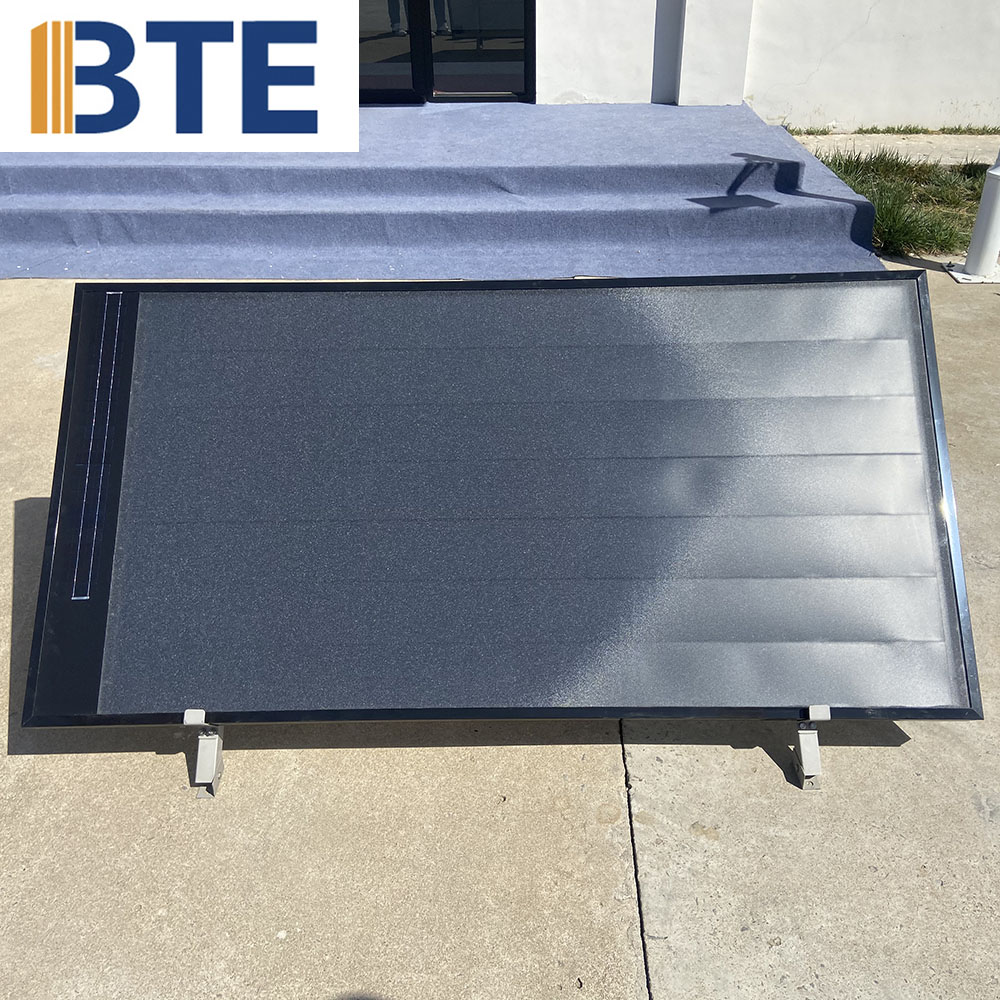
ATPC Solar Air Collector
The global demand for ATPC Solar Air Collector systems has increased significantly as governments, industries, and commercial facilities accelerate energy-transition initiatives. With rising fossil-fuel costs and growing commitments to carbon-neutral policies, solar thermal technologies have become a strategic priority in many regions. According to recent international energy reports, solar air heating solutions are projected to maintain a compound annual growth rate exceeding 8% from 2024 to 2030.
This momentum is driven by expanding applications in industrial drying, agricultural processing, building ventilation, space heating, and decentralized renewable-energy projects across Europe, North America, and Asia-Pacific.
Global Market Outlook for ATPC Solar Air Collector Technology
The global demand for ATPC Solar Air Collector systems has increased significantly as governments, industries, and commercial facilities accelerate energy-transition initiatives. With rising fossil-fuel costs and growing commitments to carbon-neutral policies, solar thermal technologies have become a strategic priority in many regions. According to recent international energy reports, solar air heating solutions are projected to maintain a compound annual growth rate exceeding 8% from 2024 to 2030.
This momentum is driven by expanding applications in industrial drying, agricultural processing, building ventilation, space heating, and decentralized renewable-energy projects across Europe, North America, and Asia-Pacific.
Industry Background and Emerging Trends
ATPC Solar Air Collector systems are gaining attention due to their ability to generate stable thermal output while maintaining low operational costs. Compared with liquid-based collectors, air collectors feature simpler installation, minimal maintenance, and higher tolerance to extreme climates. New policy frameworks—such as energy-efficiency mandates, ESG guidelines, and green procurement programs—are further accelerating global adoption.
International buyers now prioritize systems with higher thermal efficiency, modular installation capability, and digital monitoring functions. The integration of PV-thermal hybrid modules, AI-based airflow optimization, and corrosion-resistant materials has also emerged as a key development trend in 2024–2025.
Technical Structure and Performance Parameters
The ATPC Solar Air Collector is designed using a layered high-efficiency thermal-absorption structure that enhances airflow performance and heat retention. A typical system consists of the air inlet module, transparent cover, absorber plate, internal air channel, insulation layer, and outlet manifold.
Key technical parameters often requested by global buyers include:
Core Performance Specifications
• Thermal efficiency: 65%–78%, depending on absorber coating and airflow velocity
• Working airflow range: 80–180 m³/h per square meter
• Maximum operating temperature: 85–120°C under standard solar radiation conditions
• Recommended installation orientation: South-facing, 20°–60° tilt depending on geographic latitude
• Lifespan of absorber coating: 10–15 years under normal operation
The aerodynamic channel design improves convection efficiency while reducing energy loss. Modern systems also integrate temperature sensors, airflow controllers, and remote monitoring dashboards to support continuous performance tracking.
Manufacturing Process and Quality Control
The production of ATPC Solar Air Collector units follows a standardized international workflow to ensure reliability and consistency. The process includes high-precision metal fabrication, absorber-plate coating treatment, thermal-insulation assembly, transparent-cover integration, airtight sealing, and multi-stage performance testing.
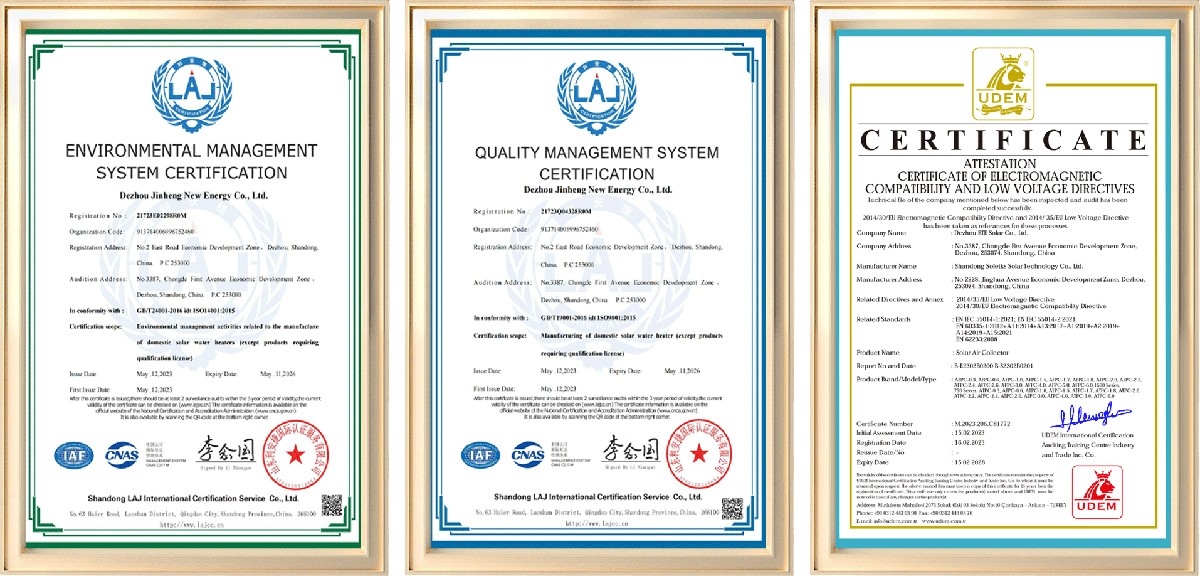
Quality assurance protocols often reference ISO 9806 for collector thermal performance, EN 12975 for durability assessment, and national renewable-energy testing standards from major global markets. These certifications remain critical for buyers in the EU and Middle East, where project-level audits require verified thermal-output data.
Application Scenarios Across Global Industries
The ATPC Solar Air Collector system is widely used in industrial drying operations such as agricultural product dehydration, lumber processing, textile drying, and low-temperature manufacturing lines. Commercial sectors utilize it for building ventilation pre-heating, warehouse heating, and space-air circulation improvements.
In rural electrification and off-grid projects, solar air collectors provide a cost-effective method to reduce reliance on diesel or LPG heating equipment. Government-funded sustainability programs increasingly include solar air heating as a mandatory component for public-building retrofits and community energy projects.
Buyer Preferences and Procurement Pain Points
International sourcing teams typically evaluate ATPC Solar Air Collector solutions using six key criteria: verified efficiency data, long-term durability, installation flexibility, supplier engineering capability, system compatibility with existing infrastructure, and after-sales technical support.
Common buyer pain points include:
• Lack of transparent thermal-performance testing
• Absorber-coating degradation under harsh climates
• Insufficient technical documentation for project bidding
• Limited customization options for industrial drying lines
• Inconsistent lead times during peak procurement seasons
To address these challenges, We provide engineering consultation, detailed system modeling, product-specification datasets, and customized collector configurations tailored to regional requirements and industry-specific heating processes.
Market Outlook and Competitive Advantages
As global decarbonization goals intensify, demand for ATPC Solar Air Collector systems will continue to expand, particularly in government-supported industrial-energy retrofit programs. The ongoing enhancement of absorber-coating technologies, integrated airflow-control systems, and digital monitoring tools will strengthen the market’s competitiveness and accelerate international deployment.
With proven manufacturing capability and engineering expertise, We support distributors, EPC contractors, and industrial end-users seeking reliable, high-efficiency solar air-heating solutions for long-term renewable-energy projects.
FAQ
Q1: What operating temperature can an ATPC Solar Air Collector typically achieve?
A: Most systems operate between 85–120°C depending on the absorber design and local solar radiation.
Q2: Can the system be customized for industrial drying applications?
A: Yes. Airflow volume, channel structure, and collector dimensions can be customized for specific industrial processes.
Q3: What certifications do international buyers usually request?
A: ISO 9806 performance testing, EN 12975 durability standards, and region-specific renewable-energy compliance documents.
Q4: How long is the typical service life of the collector?
A: With proper installation and maintenance, service life generally ranges from 15–20 years.
Call to Action
If you are planning renewable-energy projects, industrial drying upgrades, or building-heating enhancements, We can provide detailed specifications, engineering guidance, system modeling, and competitive quotations. Contact us to request technical datasheets or sample evaluation units for your project.
Data References: International Renewable Energy Agency (IRENA) Global Solar Heating Report 2024; European Solar Thermal Industry Federation Annual Statistics 2025.
Honors and Qualifications: